Recently, the team of Chief Physician Li Xinrong from the Department of Mental Health of the First Hospital of our University, together with researchers from institutions such as the team of Professor Liu Xianglong from Beihang University, has made important progress in the development of nocturnal polysomnography (PSG). The research results were published in Journal of Affective Disorders (IF=4.9), an authoritative journal of the Chinese Academy of Sciences Zone 2.
This study, for the first time, used nocturnal polysomnography (PSG) electroencephalogram (EEG) data combined with machine learning technology, expanding previous EEG biomarker research to the field of sleep. It has realized the effective differentiation between bipolar disorder and schizophrenia, providing an objective biomarker scheme to solve the high misdiagnosis rate caused by overlapping clinical symptoms and shared genetic risks of the two diseases, and bringing a new breakthrough in the differential diagnosis of these two mental disorders.
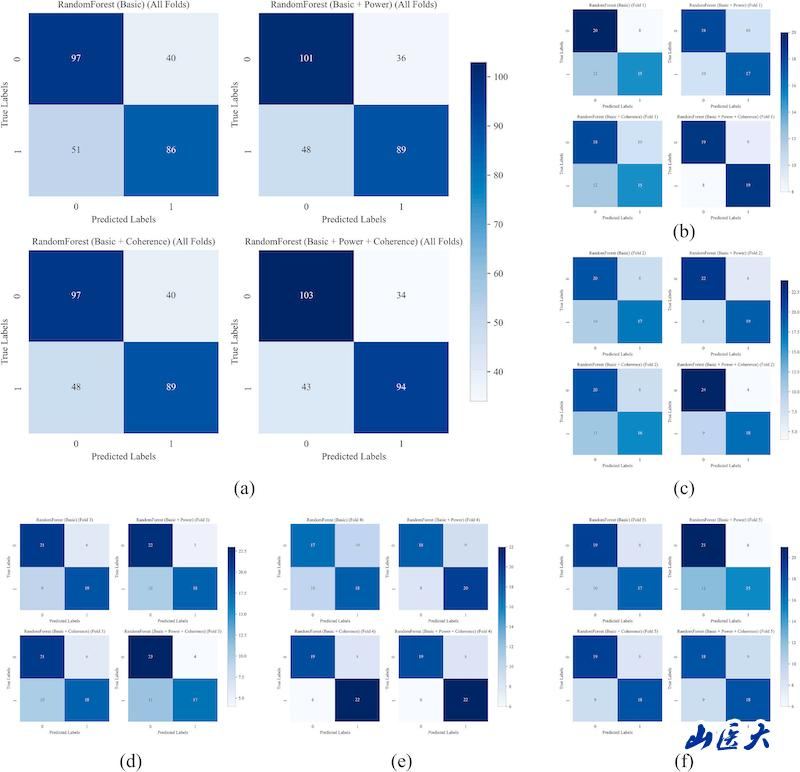
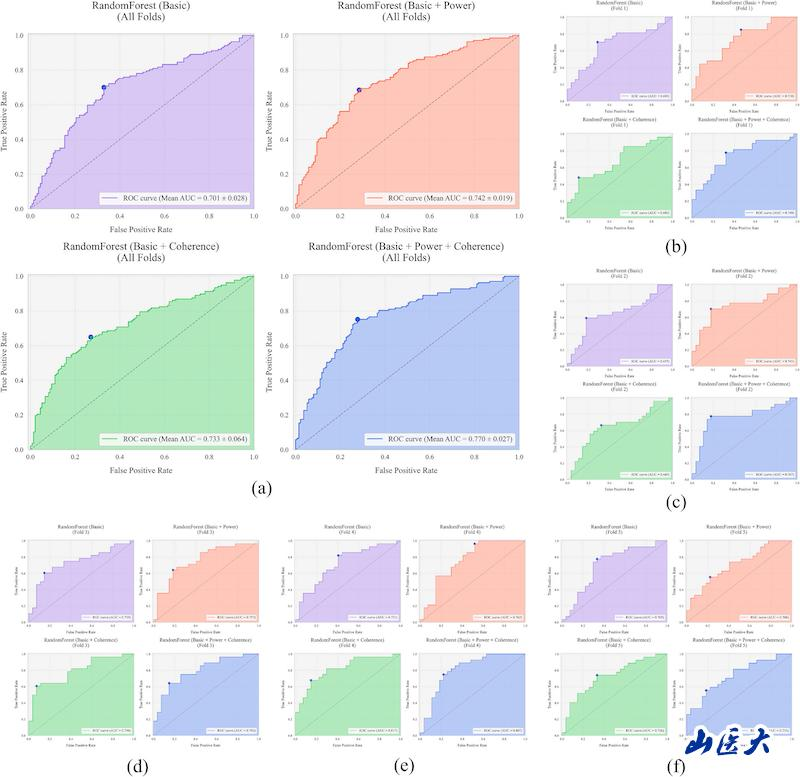
This study combined the nocturnal sleep EEG power spectrum and coherence characteristics of patients with bipolar disorder and schizophrenia with machine learning, compared the performance of three models: logistic regression, gradient boosting decision tree and random forest, and tested the influence of four feature combinations on the classification effect of the random forest model. The results showed that the random forest model integrating all features performed the best, achieving a classification accuracy of 71.88%, an F1 score of 0.709 and an ROC-AUC value of 0.770, which were significantly better than the other two models. This study confirmed that the unique neurophysiological characteristics during sleep can effectively distinguish bipolar disorder from schizophrenia, highlighting its clinical value as a practical and objective biomarker, thereby guiding more precise clinical intervention, and building a bridge for exploring the potential neurobiological mechanisms of bipolar disorder and schizophrenia.
(Pictures and texts by Li Xinrong)